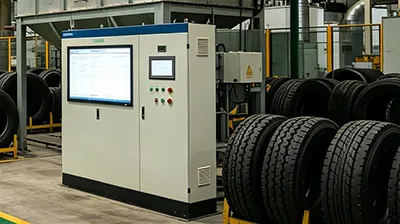
电动汽车轮胎与普通轮胎对比
传统轮胎与新能源汽车轮胎的差异,源于电池组带来的额外重量、电动机瞬间高扭矩输出以及新能源车无发动机噪音的特点。两者在承载结构、耐磨配方及静音设计等核心维度上均有所不同。以下从多角度进行详细解析:

承载与耐磨性能:
由于其大容量电池组,新能源汽车比同级别汽油车重20%至30%。例如,特斯拉Model 3比宝马3系重400公斤,相当于额外搭载了五名成年人。为应对这一重负,新能源汽车轮胎采用了加强结构,如高密度帘布层和加厚钢丝层。以特斯拉Model 3为例,其轮胎的负荷指数为98,单胎可承受750公斤重量,而传统燃油车轮胎的负荷指数通常为91,仅能承受615公斤。
与此同时,新能源汽车加速时即刻达到峰值扭矩的特性加剧了轮胎胎面的磨损。新能源轮胎通过采用如高硅橡胶等耐磨配方进行了优化,其剩余胎面深度比普通轮胎多出0.3毫米,从而使其使用寿命延长约30%。
实际测试表明,专为比亚迪汉EV设计的轮胎相较于普通轮胎,能将行驶里程延长20,000至40,000公里,而普通轮胎在新能源汽车上的使用寿命可能从60,000公里大幅缩减至40,000公里。
滚动阻力与续航兼容性:
滚动阻力对新能源汽车的续航能力有着重要影响,占其能耗的20%。普通轮胎的滚动阻力系数通常在8-10牛/千牛之间,这无法满足新能源汽车的需求。
另一方面,新能源轮胎将其滚动阻力系数控制在欧盟A级标准5.5 N/kN以下。例如,米其林e聆悦通过采用低生热橡胶和轻量化结构,使滚动阻力降低了29.1%。数据显示,普通轮胎会使新能源汽车的续航减少8%-12%,而专用的低滚动阻力轮胎则有助于提升5%-8%的续航里程,这对于缓解新能源车主的里程焦虑至关重要。
降噪:
汽油车的发动机噪音掩盖了轮胎噪音,而新能源汽车由于没有发动机噪音,轮胎噪音被显著放大。普通轮胎花纹与路面撞击产生的空腔噪音,可使车内分贝值接近70,如同持续开启吹风机一般。
Rolling resistance and range compatibility: Rolling resistance has a significant impact on the range of new energy vehicles, accounting for 20% of their energy consumption. Ordinary tires typically have a rolling resistance coefficient of 8-10 N/kN, which is insufficient for the demands of new energy vehicles.
New energy tires, on the other hand, control their rolling resistance coefficient to below the EU Class A standard of 5.5 N/kN. For example, the Michelin e-Lingyue reduces rolling resistance by 29.1% through low-heat-generating rubber and a lightweight structure. Data shows that ordinary tires reduce the range of new energy vehicles by 8%-12%, while dedicated low rolling resistance tires can help improve the range by 5%-8%, which is crucial for alleviating range anxiety for new energy vehicle owners.
Noise Reduction: Engine noise in gasoline vehicles masks tire noise, but in new energy vehicles, where there is no engine noise, tire noise is significantly amplified. The cavity noise generated by the impact of ordinary tire treads on the road can bring the decibel level inside the car to close to 70, like having a hairdryer running continuously.

新能源轮胎对此采用了专门的降噪设计。例如,米其林e·聆悦在轮胎内侧使用了聚氨酯吸音棉,而森麒麟Q990EV则采用变节距花纹设计以分散声波。部分新能源轮胎能将胎噪降低高达12.6分贝,使车内环境从嘈杂的“KTV”氛围转变为如同静谧图书馆般的驾乘空间。
安全性能设计:
新能源车的胎压通常比汽油车高出10%,在高速行驶时胎压还会进一步升高。普通轮胎的帘布层强度不足,在夏季高温路面上容易发生鼓包和爆胎。
新能源汽车轮胎已通过多重安全优化。佳通驾控P10采用3D纳米级沟槽设计,湿滑路面制动距离缩短15%。赛轮液体黄金轮胎的胎体钢丝层加厚40%,能承受重载与高温考验。第三方测试显示,专用轮胎的湿刹车距离较普通轮胎缩短4.2米,紧急情况下显著提升行车安全。成本与成本效益:
新能源汽车轮胎单条价格明显偏高,比普通轮胎贵出50%至100%。理想L8原配轮胎每条约2500元,特斯拉Model 3原配的米其林轮胎每条近2000元。相比之下,普通家庭燃油车的主流轮胎仅需600至800元。
New energy vehicle tires have undergone multiple safety optimizations. The Giti Driving Control P10 uses 3D nano-level grooves, reducing wet braking distance by 15%. Sailun's Liquid Gold tires have a 40% thicker steel wire layer in the carcass, capable of withstanding heavy loads and high temperatures. Third-party tests show that the dedicated tires' wet braking distance is 4.2 meters shorter than ordinary tires, significantly improving driving safety in emergency situations.
Cost and Cost-Effectiveness: New energy vehicle tires are significantly more expensive per tire, costing 50%-100% more than ordinary tires. The original tires for the Li Auto L8 cost approximately 2500 yuan per tire, while the original Michelin tires for the Tesla Model 3 cost nearly 2000 yuan per tire. In contrast, mainstream tires for ordinary family gasoline vehicles only cost 600-800 yuan.

然而,从长远来看,新能源轮胎的更换周期延长了30%,有些甚至轻松超过10万公里,而普通轮胎通常在行驶6万公里后就需要更换。这样一来,新能源轮胎每公里的成本
However, in the long run, the replacement cycle of new energy tires is extended by 30%, with some easily exceeding 100,000 kilometers, while ordinary tires usually need to be replaced after 60,000 kilometers. In this way, the cost per kilometer of new energy 轮胎实际上比普通轮胎低30%,长远来看更具成本效益。