延长矿用卡车轮胎使用寿命
1. 重型斜交矿用轮胎卡车轮胎:专为采矿环境设计
矿山环境具有诸多恶劣特性,重型斜交矿用轮胎在设计时充分考虑了这些特性,实现了针对性的适应。
(一) 复杂地形轮胎结构设计
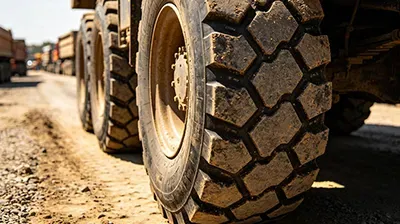
就地形而言,矿山道路通常没有铺设路面,遍布大小不一的石块和碎石,有些区域还有深沟和陡坡。普通轮胎在这种路面上极易受损。然而,这种轮胎凭借加厚的胎面和坚固的胎体结构,能有效抵御岩石的撞击和刮擦。
In terms of terrain, mining roads are often unpaved, covered with rocks and gravel of varying sizes. Some areas also feature deep gullies and steep slopes. Conventional tires are highly susceptible to damage on such surfaces. However, these tires, with their thickened tread and tough carcass structure, effectively withstand rock impacts and scratches.

例如,在露天煤矿的运输道路中,由于煤炭开采和运输作业,路面常常凹凸不平,并散布着大量煤矸石。重型斜交矿山卡车轮胎的深花纹沟槽能有效排出嵌入的碎石和矸石,防止胎块因异物而破裂,从而确保轮胎具备良好的抓地性能。
(二)针对不同气候的轮胎配方与结构优化
就运行环境气候而言,一些矿山位于高海拔或雨雪地区。在高海拔、低温环境下,轮胎橡胶容易变硬变脆,影响弹性和耐磨性。重型斜交矿山卡车轮胎采用特殊橡胶配方,可增强橡胶在低温下的柔韧性,确保其在寒冷天气下仍保持优良性能。
在雨雪矿山中,路面会变得非常湿滑。这些轮胎的大块花纹和深沟槽增加了与地面的接触面积,提升了排水和排雪能力,降低了车辆打滑的风险,确保运输安全。
(III)适用于高强度连续作业的轮胎承重与耐热设计
此外,矿山作业通常需要24小时连续运行,要求矿用卡车轮胎能够长时间承受高负荷和摩擦。重型斜交矿用卡车轮胎采用多层尼龙帘布和多钢丝胎圈结构,不仅增强了承载能力,还提高了耐热性能。这种设计能有效散发车辆长时间行驶过程中轮胎产生的热量,防止因过热导致轮胎加速老化以及爆胎等安全事故。
二、重型斜交矿用卡车轮胎日常维护要点
正确地每日维护重型斜交矿用卡车轮胎,是延长轮胎寿命、确保行车安全和降低运营成本的关键。
(I)定期检查轮胎气压
首先,要定期检查轮胎气压。矿山环境温度变化较大,且轮胎长时间承受重载,容易导致气压波动。气压过高会造成胎面中心过度磨损,降低缓冲性能,并增加爆胎风险。
过高的气压会导致轮胎肩部过度磨损,增加滚动阻力,从而导致油耗上升,同时也会影响轮胎的承载能力。因此,应根据轮胎规格和负载情况制定合理的气压检查周期。通常建议每周至少检查一次,在气温变化较大或长途运输前应更频繁地检查。
(二)及时清除轮胎花纹中的异物
其次,应及时清除轮胎花纹中的异物。在矿山道路上发现的碎石、煤矸石、铁丝等杂物容易嵌入轮胎花纹中,若不及时清除,轮胎旋转时这些异物会持续挤压花纹块,导致其破损,影响轮胎的抓地性能。
此外,异物可能刺穿轮胎胎面,导致漏气或爆胎。在清除异物时,应使用专用工具,避免使用尖锐物体,以防损坏胎面。
(I) Regularly Check Tire Pressure
First, regularly check tire pressure. The temperature in mining environments fluctuates significantly, and tires are subject to heavy loads for extended periods, causing air pressure fluctuations. Excessive air pressure can lead to excessive wear in the center of the tire tread, reducing its cushioning performance and increasing the risk of blowouts.
Excessive air pressure can lead to excessive wear on the tire shoulders, increasing rolling resistance, leading to increased fuel consumption, and also affecting the tire's load-bearing capacity. Therefore, a reasonable pressure check cycle should be established based on tire specifications and load conditions. It's generally recommended to check at least once a week, and more frequently during periods of significant temperature fluctuations or before long-distance transport.
(II) Promptly Clean Foreign Objects from the Tire Tread
Secondly, foreign objects in the tire tread should be promptly removed. Debris, coal gangue, wire, and other foreign objects found on mining roads can easily become lodged in the tire tread. If not promptly removed, they can continuously compress the tread blocks as the tire rotates, causing them to break and impacting the tire's grip.
Furthermore, foreign objects can puncture the tire tread, causing air leaks or blowouts. When removing foreign objects, use specialized tools and avoid sharp objects to prevent damage to the tread.

(三)定期检查轮胎磨损情况
此外,请定期检查轮胎磨损情况。通过观察轮胎胎面的磨损程度和磨损模式,可以判断轮胎的状况及是否存在异常。如果胎面磨损均匀且在正常范围内,则说明轮胎状况良好。
然而,如果轮胎胎面出现局部过度或不均匀磨损,可能是由于卡车悬挂系统故障、轮毂变形或轮胎气压不当所致,应及时检查并维修。当胎面深度达到磨损极限(通常为1.6毫米)时,应立即更换轮胎,以防继续使用导致事故发生。
(四)合理安排轮胎换位
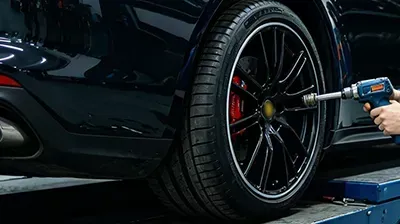
最后,合理安排轮胎换位非常重要。由于卡车前后轮承受的力和磨损不同,定期进行轮胎换位可以确保磨损更加均匀,延长轮胎的整体使用寿命。轮胎换位的频率应根据轮胎磨损情况和行驶里程来确定。
通常建议每行驶10,000至15,000公里进行一次换位。换位时应遵循正确的换位方法,并确保轮胎安装方向正确,以免影响轮胎性能。
(IV) Properly Schedule Tire Rotation
Finally, it's important to properly schedule tire rotation. Because the front and rear wheels of trucks experience different forces and wear, regular tire rotation can ensure more even wear and extend the overall tire life. The tire rotation frequency should be determined based on tire wear and mileage.
Generally, it's recommended to rotate every 10,000-15,000 kilometers. When rotating, follow the correct rotation method and ensure the tires are installed in the correct orientation to avoid affecting tire performance.