燃油滤清器更换周期
汽车燃油滤清器的基本更换周期为2-3年或3万至6万公里。这是行业内普遍接受的参考范围,并非绝对标准。实际更换需根据车型、燃油质量及行驶环境等因素具体调整。
汽油车:
轿车通常遵循2年或4万公里的更换周期。若常行驶于拥堵的市区,发动机频繁启停会增加燃油滤清器的工作负荷,此时更换周期可缩短至1.5年或3万公里。
柴油车:
柴油相较于汽油含有更多杂质可能性,且柴油发动机对燃油清洁度要求更高。建议更换周期缩短至1年或2万至3万公里。重型柴油卡车则建议每行驶1万公里检查一次,必要时及时更换。
新能源混合动力汽车:
尽管配备了电动机辅助,燃油系统仍需定期保养。其更换周期可参照同级别汽油车,适当延长1万至2万公里。
New Energy Hybrid Vehicles:
Although assisted by an electric motor, the fuel system still requires regular maintenance. The replacement cycle can be referenced to that of gasoline vehicles of the same class, slightly extended by 10,000-20,000 kilometers.

影响更换周期的三个关键因素
燃油质量:这是影响滤清器寿命的核心因素。若长期使用杂质含量高或辛烷值不匹配的燃油,燃油滤清器滤芯会迅速堵塞,导致提前更换。反之,选用信誉良好的加油站提供的高品质燃油,则可延长更换周期。
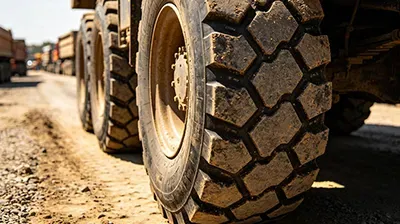
使用环境:经常在尘土飞扬或路况较差的环境(如建筑工地或乡村土路)中行驶的车辆,容易使杂质进入燃油箱,加速滤清器磨损。而主要在清洁环境下的城市铺装道路上行驶的车辆,更换周期可适当放宽。
车辆运行状况:频繁短途行驶(每次行程少于5公里)及长时间怠速(如网约车、出租车等),易导致燃油系统中水分凝结与杂质积聚,加重滤清器负担。而在长途高速行驶时,燃油流动顺畅,滤清器磨损相对较小。
忽视更换燃油的四大危害——别等出了问题才承担责任
功率下降:滤清器堵塞会增加燃油流动阻力,导致发动机供油不足。这表现为加速无力、爬坡困难以及在高速行驶时有“断油”感。
燃油消耗增加:为保证动力输出,发动机需增加喷油以弥补燃油供应不足,导致燃油效率下降,可能使每百公里油耗增加1-2升。
燃油系统损害:未经过滤的杂质可能进入喷油嘴、燃油泵等精密部件,造成磨损与堵塞,维修费用可达数千元。对于柴油车而言,滤清器失效还会导致喷油嘴卡死,进而引发发动机故障。
启动困难:当滤清器严重堵塞时,冷启动可能需要多次点火,极端情况下甚至无法启动,影响出行。
Reduced Power: A clogged filter increases fuel flow resistance, resulting in insufficient fuel supply to the engine. This manifests as weak acceleration, difficulty climbing hills, and a feeling of "fuel cut-off" at high speeds.
Increased fuel consumption: To ensure power output, the engine needs to increase fuel injection to compensate for insufficient fuel supply, leading to decreased fuel efficiency and potentially increasing fuel consumption by 1-2 liters per 100 kilometers.
Damage to the fuel system: Unfiltered impurities can enter precision components such as fuel injectors and fuel pumps, causing wear and blockages, with repair costs reaching thousands of yuan. In diesel vehicles, a failed filter can also cause fuel injectors to seize, leading to engine failure.
Difficulty starting: When the filter is severely clogged, starting a cold engine may require multiple ignition attempts, and in extreme cases, it may not start at all, affecting travel.

实用更换与维护建议:
遵循手册要求:不同车型有不同的设计标准,建议首先查阅车辆用户手册,其中明确标注了合适的更换周期,是最权威的参考依据。
选择高质量部件:更换滤清器时,请采用原厂或合规产品。劣质滤清器过滤精度不足,且可能因材质缺陷释放杂质,从而损害燃油系统。
更换滤清器后排气:柴油车更换燃油滤清器后,需手动排出油路中的空气,否则无法启动。而汽油车虽无需手动排气,但建议启动后怠速运转3-5分钟,以检查是否存在泄漏。
定期检查:若无法及时更换,需定期检查过滤器外观。若发现有燃油气味、管路泄漏或动力明显下降,应立即更换。
特殊情况下的早期更换:若车辆曾加注劣质燃油、涉水行驶或在恶劣环境中长时间行驶,即使未到预定更换周期,也建议检查或更换滤清器。
Bleeding After Replacement: After replacing the fuel filter in a diesel vehicle, air must be manually bleed from the fuel line; otherwise, starting will fail. While gasoline vehicles do not require manual bleeding, it is recommended to run the engine at idle for 3-5 minutes after starting to check for leaks.
Regular Inspection: If timely replacement is not possible, periodically inspect the filter's appearance. If a fuel smell is detected, there are leaks in the lines, or a significant decrease in power, replace it immediately.
Early Replacement in Special Circumstances: If the vehicle has been refueled with inferior fuel, driven through water, or driven in harsh environments for extended periods, it is recommended to inspect or replace the filter even if it is not yet due for replacement.

常见误解澄清:
误解一:“滤网无需更换”。滤芯的过滤能力会随时间减弱。长期不更换,会使它从“保护装置”转变为“故障源”。
误解二:“更换越频繁越好”。过度更换会增加运营成本,且频繁拆装油路会导致密封件老化,从而引发泄漏。
误解三:“柴油车和汽油车的更换周期相同。”柴油中含有更多杂质,这要求燃油滤清器在更大压力下工作,因此需要更频繁地更换。
简而言之,
Misconception 3: "The replacement cycle is the same for diesel and gasoline vehicles." Diesel fuel contains more impurities, requiring the fuel filter to operate under greater pressure and necessitating more frequent replacements.
In short, 燃油滤清器更换应根据具体车型和环境条件来定制。既不应忽视,也不宜盲目缩短更换周期。遵循科学的保养计划对于保持燃油系统良好状态、延长发动机寿命至关重要。