如何将废旧轮胎高价出售?
目前废轮胎市场具有明显的价格层级,主要差异源于材料成分和加工价值的不同:
高价值品类:丁基内胎最高价格维持在每吨8000元,是普通内胎价格的八倍以上。这得益于丁基橡胶的气密性和可直接回收特性,使其广泛应用于医用橡胶制品等高端领域。
钢砂(2280元/吨)和钢丝(3390元/吨)紧随其后。前者含有高纯度钢丝圈,可直接加工成喷砂钢丸;后者作为优质钢丝原料,受钢铁行业需求拉动明显。
中端品类:钢丝胎(1640元/吨)、胎块(1510元/吨)和全胶块(1330元/吨)构成市场主流。其中,钢丝胎含钢量为15%-20%,兼具橡胶和金属回收价值。山东邹平等产区价格较年初上涨18.89%。
初级加工产品:橡胶粉(1800元/吨)、普通内胎(980元/吨)和断丝轮胎(850元/吨)为主要的加工原材料。尽管橡胶粉单价较低,但广泛应用于防水卷材、改性沥青等领域,市场需求稳步增长。
Middle-class categories: Wire tires (1,640 yuan/ton), bead blocks (1,510 yuan/ton), and full rubber blocks (1,330 yuan/ton) constitute the market's mainstays. Among them, steel wire tires, with a steel content of 15%-20%, offer both rubber and metal recycling value. Prices in production areas such as Zouping, Shandong, have risen by 18.89% since the beginning of the year.
Basic processed products: rubber powder (1,800 yuan/ton), ordinary inner tubes (980 yuan/ton), and broken wire tires (850 yuan/ton) are primary processing raw materials. Although rubber powder has a low unit price, it is widely used in waterproofing membranes, modified asphalt, and other fields, and market demand is steadily growing.

价格上涨背后的三大因素重塑市场格局
废料
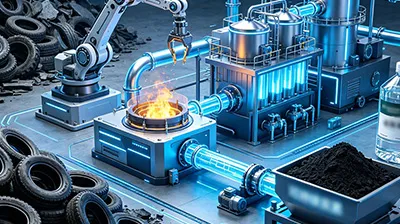
Scrap 轮胎价格将继续上涨至2025年,主要受供需失衡和政策举措推动:
供给侧收缩:全国超载治理和限载措施使卡车轮胎磨损减少,更换周期延长超过30%。钢铁和煤炭行业产能优化减少了货运量,间接导致年废轮胎产量下降12%。
受冬季低温减缓轮胎磨损的影响,季节性供应缺口进一步扩大。需求激增:在“双碳”战略推动下,全国新增30多个20万吨级废轮胎处理项目,导致裂解油、再生炭黑等衍生品需求大幅上升。仅宁夏一个项目就获得中央财政补贴2000万元,行业产能扩张引发了对原材料的抢购热潮。
受益于优惠政策:70%的增值税退税政策覆盖了再生油和裂解炭黑等产品,显著降低了合规企业的成本。这使得持证企业能够提高收购价格,从而与小作坊形成价格优势。
Benefiting from favorable policies: The 70% VAT rebate policy covers products like recycled oil and pyrolysis carbon black, significantly reducing costs for compliant companies. This empowers licensed companies to raise purchase prices, creating a price gap with small workshops.

轮胎销售指南:避免陷阱与增值技巧
面对波动的市场,掌握以下策略可以提高利润:
精细分拣提升利润:将钢丝胎与普通轮胎分开销售,前者每吨价格高出近1000元。单独分离胎圈和钢丝,每吨可额外增加200至300元利润。山东回收商的数据显示,精细化分拣可使利润率提高15%。
把握价格窗口:夏季是轮胎更换的旺季,供应增加可能导致价格回调,建议提前发货。在冬季来临前,应适当备货,以应对需求高峰期的价格上涨。山东德州一位商家因误判季节性周期,导致库存成本飙升40%,这一2024年的教训值得警惕。
与合规企业合作:直接与合格的裂解企业合作,不仅能获得更高的收购价格,还可分享政策红利。广东一家回收商通过与合规企业合作,丁基内胎的售价比市场价高出5%。
Capitalize on price windows: Summer is the peak season for tire replacements, and increased supply may lead to price corrections. It's recommended to ship in advance. Before winter arrives, stock up appropriately, anticipating price increases during peak demand. The lesson learned in 2024 by a merchant in Dezhou, Shandong, who misjudged seasonal cycles and saw their inventory costs surge 40%, serves as a cautionary tale.
Connect with compliant companies: Directly partnering with qualified cracking companies not only allows for higher purchase prices but also allows for a share of policy dividends. A recycler in Guangdong, by partnering with compliant companies, achieved a 5% premium over the market price for butyl innertubes.