乘用车轮胎:半钢子午线轮胎
在当今快速发展的汽车产业中,半钢子午线轮胎作为乘用车的关键部件,其技术进步与性能提升直接关系到车辆的安全性、舒适性及经济性。
相较于全钢轮胎,半钢子午线轮胎凭借其独特的“纤维帘布为胎体,钢丝为带束层”结构设计,已成为家用轿车、SUV及MPV等主流乘用车型的首选轮胎类型,目前占据全球乘用车轮胎市场80%以上的份额。
从结构角度看,半钢子午线乘用轮胎的核心优势在于其轻量化与适应性强的设计。胎体采用高强度聚酯或尼龙帘线替代全钢轮胎中的钢丝帘线,在保持胎体强度的同时,轮胎重量减轻了30%-40%。
From a structural perspective, the core advantages of semi-steel passenger tires lie in their lightweight and adaptable design. High-strength polyester or nylon cords are used in the carcass, replacing the steel cords used in all-steel tires. This reduces tire weight by 30%-40% while maintaining carcass strength.

这种轻量化设计不仅减轻了车辆的未悬挂质量,提升燃油经济性(数据显示,轮胎重量每减轻10%,油耗可降低1.5%-2%),还增强了轮胎的弹性,有效吸收路面颠簸,为驾驶者与乘客提供更为柔和的减震体验。胎圈内的高碳钢丝确保了轮胎与轮毂间的紧密贴合,即便在高速行驶或急转弯时也能保持稳定的抓地力,避免打滑风险。
在性能方面,现代的半钢子午线轿车轮胎通过创新材料与花纹设计,在“多场景适应性”上实现了突破。胎面胶料普遍采用溶聚丁苯橡胶与天然橡胶的复合配方。
添加SBR显著提升了轮胎的耐磨性(使用寿命可达6万至8万公里)和湿滑路面抓地力(相较于常规轮胎,湿刹车距离缩短5%至8米),使其尤其适应多雨地区的路况。天然橡胶则保证了胎面的弹性与低温韧性,使轮胎即便在冬季低温下也能保持优良的柔韧性,避免脆裂现象发生。
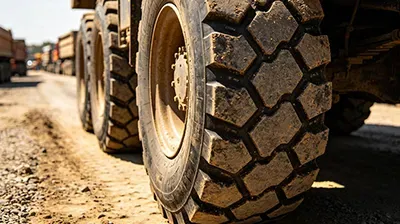
针对不同用途的半钢轮胎,其胎面花纹设计各有特色:家用轿车轮胎常采用对称纵向花纹以降低行驶噪音(车内噪音可控制在65分贝以下);SUV轮胎则采用大块花纹设计以增强越野抓地力;而专为新能源汽车设计的半钢轮胎,则采用低滚阻花纹设计,进一步减少能量损耗,满足电动车续航需求(可提升电动车续航里程5%-10%)。
技术创新是半钢子午线轿车轮胎行业发展的核心驱动力。近年来,各大轮胎企业纷纷研发“智能轮胎”,在半钢子午线轿车轮胎内部嵌入传感器芯片,实时监测胎压、温度、磨损等数据。
The addition of SBR significantly improves tire wear resistance (reaching a service life of 60,000-80,000 kilometers) and wet skid resistance (wet braking distance is reduced by 5%-8 meters compared to conventional tires), making it particularly suitable for road conditions in rainy regions. The natural rubber ensures the tread's elasticity and low-temperature toughness, allowing the tire to maintain excellent flexibility even in low winter temperatures and avoid brittle cracking.
Semi-steel tires for different purposes exhibit distinct tread designs: Family car tires often feature a symmetrical longitudinal pattern to reduce driving noise (in-cabin noise can be kept below 65 decibels); SUV tires employ a large-block pattern to enhance off-road grip; and semi-steel tires specifically designed for new energy vehicles utilize a low rolling resistance pattern design to further reduce energy loss and meet the range requirements of electric vehicles (increasing electric vehicle range by 5%-10%).
Technological innovation is the core driving force behind the development of the semi-steel passenger tire industry. In recent years, major tire companies have been developing "smart tires." Sensor chips are embedded within semi-steel passenger tires to monitor tire pressure, temperature, wear, and other data in real time.

这些数据通过车联网传输到车辆的车载系统或移动应用程序中。当胎压异常(如低于标准值20%)或温度过高(超过80°C)时,系统会及时发出警告,以防止爆胎发生。
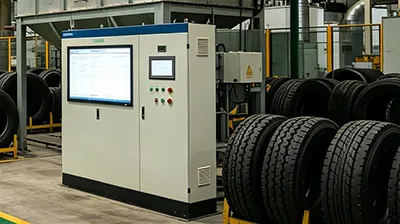
此外,"绿色制造"理念正逐步融入半钢子午线轮胎的生产流程中。通过采用可再生橡胶(如从废旧轮胎中回收的胶粉)部分替代原生橡胶,有效降低了石油资源的消耗。
低温硫化工艺也正在被引入,以降低生产过程中的能耗15%-20%,减少碳排放,推动行业迈向低碳环保的未来。
在市场应用层面,对
Low-temperature vulcanization processes are also being introduced to reduce energy consumption by 15%-20% during the production process, reducing carbon emissions and driving the industry towards a low-carbon, environmentally friendly future.
At the market application level, demand for 半钢制轿车轮胎与乘用车市场的发展紧密相连。随着全球汽车保有量的持续增长(预计到2025年将超过15亿辆),半钢子午线乘用轮胎的替换市场正在不断扩大。
与此同时,消费者对轮胎性能的要求也日益精细。除了对耐磨性和静音性的传统需求外,市场对“雪地轮胎”与“缺气保用轮胎”这类专用半钢子午线乘用车轮胎的需求也在不断增长。
例如,在寒冷的高纬度地区,雪地专用的半钢子午线轮胎凭借其独特的花纹设计和低温弹性橡胶配方,在冰雪路面上提供充足的抓地力,成为冬季行车不可或缺的装备。而缺气保用半钢轮胎则以其加厚的胎壁,在轮胎被扎破后仍能以低于80公里/小时的速度支撑车辆行驶50至100公里,为驾驶者及乘客争取更多的应对时间。
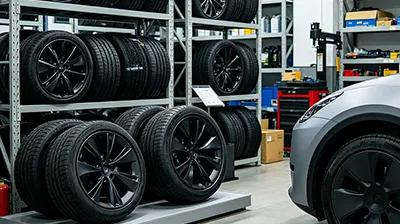
对消费者而言,正确选择与保养半钢子午线轿车轮胎至关重要。挑选轮胎时,需依据车型(如轿车、SUV)、使用场景(如城市通勤、越野行驶)及气候条件(如多雨、寒冷天气)等因素,选择适合的轮胎规格与类型。
For example, in cold, high-latitude regions, snow-specific semi-steel tires, thanks to their tread pattern and low-temperature elastic rubber formula, provide ample grip on icy and snowy roads, making them essential winter accessories. Run-flat semi-steel tires, with their thicker sidewalls, can still support a vehicle for 50-100 kilometers at speeds under 80 km/h after a puncture, giving drivers and passengers more time to react.
For consumers, properly selecting and maintaining semi-steel passenger tires is crucial. When choosing tires, choose the appropriate tire size and type based on factors such as vehicle type (e.g., sedan, SUV), usage scenario (e.g., urban commuting, off-roading), and climate conditions (e.g., rainy, cold weather).

同时,请注意轮胎的生产日期(轮胎侧面的四位数字代表生产周和年份,例如“3523”表示2023年第35周生产)。避免使用存放超过五年的轮胎。
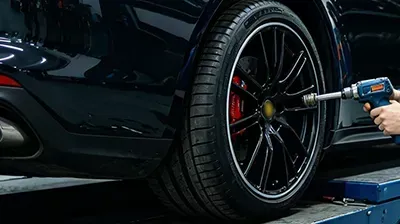
日常保养中,需定期检查轮胎气压(建议每月一次),并保持在车辆手册指定的范围内。避免频繁急加速、急刹车及急转弯,以减少轮胎异常磨损。当轮胎花纹深度低于1.6毫米时,应及时更换轮胎,确保行车安全。
For routine maintenance, check tire pressure regularly (monthly is recommended) and keep it within the range specified in the vehicle manual. Avoid frequent sudden acceleration, braking, and cornering to minimize abnormal tire wear. When the tread depth falls below 1.6 mm, replace the tires promptly to ensure driving safety.