PCR轮胎:新能源的得力搭档
PCR轮胎:并非“普通轮胎”,而是“进阶选手”
首先,让我们理解一个关键问题:PCR轮胎究竟是什么?它们的全称是“乘用车子午线轮胎”。名称中的“子午线”相当形象——轮胎内部的帘布层是以大约90度的角度排列在胎面中心线两侧,就像地球上的经线一样。别小看这种结构设计,它在轮胎行业可是一场“技术革命”。
在……出现之前,
Before the advent of PCR轮胎,轿车常用的“斜交轮胎”,其帘布层呈交叉排列,如同编织的篮子。但这种轮胎存在明显缺点:滚动阻力较大,每百公里可能比子午线轮胎多消耗5%的燃油;且操控性较差,雨天刹车距离更长。
PCR轮胎凭借其“子午线结构”,完美解决了这些问题:滚动阻力更低,为您节省大量燃油;抓地力更强,在急转弯和雨天制动时提供更大的稳定性;使用寿命更长——对于普通家用车而言,在正常驾驶条件下,一条PCR轮胎行驶7万至8万公里是常态。
PCR tires, with their "radial structure," perfectly solve these problems: lower rolling resistance, saving you a significant amount on fuel; stronger grip, providing greater stability during sharp turns and braking in the rain; and a longer lifespan—it's common for a single PCR tire to last 70,000 to 80,000 kilometers under normal driving conditions for a typical family car.

为什么PCR轮胎越来越受欢迎?考虑以下两大趋势:
你可能会问:为何PCR轮胎的“存在感”越来越强?其实有两个关键原因,它们都与我们的生活息息相关。
首要便是“环保节能”的需求。在全球倡导低碳出行的当下,各国对汽车燃油消耗的规定日益严格。PCR轮胎因其较低的滚动阻力,有助于降低油耗——行驶相同里程,装配PCR轮胎的汽车相较于传统轮胎,每年可节省数百美元的燃油费用,同时减少碳排放,相当于为地球“减负”。
在欧洲,环保法规尤为严格,PCR轮胎的市场份额已从几年前的20%提升至30%,越来越多的车主开始选择它们。
第二个因素是“新能源汽车的爆发”。越来越多的人购买电动汽车,而对电动车车主来说,最重要的因素就是“续航”——没有人希望在驾驶途中电量耗尽。
PCR轮胎的低滚动阻力特性有助于电动汽车“延长续航里程”。例如,特斯拉Model 3标配PCR轮胎,使其比使用普通轮胎能多行驶数十公里。随着电动汽车的日益普及,对PCR轮胎的需求也在上升,相关市场规模在未来几年内可能会成倍增长。
In Europe, where environmental regulations are particularly stringent, the market share of PCR tires has risen from 20% a few years ago to 30%, with more and more car owners choosing them.
The second factor is the "explosion of new energy vehicles." More and more people are buying electric vehicles, and the most important factor for electric vehicle owners is "range"—nobody wants to run out of power while driving.
PCR tires' low rolling resistance characteristics can help electric vehicles "extend their range." For example, the Tesla Model 3 comes standard with PCR tires, allowing it to travel tens of kilometers further than with ordinary tires. As electric vehicles become more widespread, the demand for PCR tires is also rising, and the related market size may multiply several times in the next few years.

PCR轮胎的“尖端技术”:材料与工艺蕴含深厚学问
PCR轮胎的众多优势并非源于“运气”,而是源于材料与工艺上的“硬核创新”。
我们先从材料说起。以往,轮胎主要依赖天然橡胶,而如今工程师们引入了许多“新伙伴”。比如,源自植物材料的“生物基橡胶”,不仅更环保,还能为轮胎节省2%的燃油消耗。
此外,还有“纳米材料”,它们在轮胎上形成一层“保护膜”,使轮胎在雨天拥有更强的抓地力和更高的耐磨性。即便频繁行驶于颠簸路面,轮胎也不易受损。最令人称奇的是,“碳纤维复合材料”兼具轻质与坚固的特性。采用这种材料制成的轮胎比普通轮胎轻15%,进一步降低了阻力,让驾驶体验更轻盈灵活。
Let's start with materials. Previously, tires mainly relied on natural rubber, but now engineers have incorporated many "new partners." For example, "bio-based rubber," made from plant-based materials, is not only more environmentally friendly but can also save tires 2% more fuel.
There are also "nanomaterials," which act like a "protective film" on the tires, providing stronger grip in the rain and greater wear resistance. Even with frequent driving on bumpy roads, the tires are less prone to damage. Most impressively, "carbon fiber composite materials" are both lightweight and strong. Tires made with them are 15% lighter than ordinary tires, further reducing resistance and making them feel lighter and more agile.

我们来了解一下制造过程。现代乘用胎的生产早已不再是“手工作坊”。比如,“冷压技术”比传统热压节省30%以上的电力,同时使轮胎质量更加均匀。“动态硫化技术”就像给轮胎装上了“监控摄像头”,实时调整硫化温度与时间,确保每一处都“完美熟成”,使轮胎寿命延长15%。
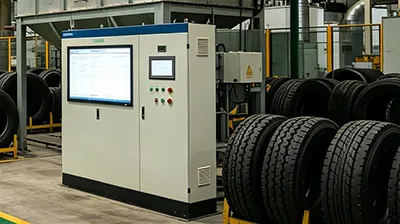
同样,智能工厂如中国的元兴橡胶智慧工厂,能在20秒内以极高精度生产出一条PCR轮胎,其动态平衡误差比发丝还细微,使得驾驶更为平稳,颠簸感大幅减少。
There are also intelligent factories, such as the Yuanxing Rubber Smart Factory in China, which can produce a PCR tire in 20 seconds with extremely high precision. The dynamic balance error is smaller than a hair, making it smoother and less bumpy to drive.