实用汽车保养指南
作为日常通勤不可或缺的伙伴,适当的保养不仅能延长车辆使用寿命,还能保障行车安全。许多车主误以为保养仅凭直觉或需等到出现问题才进行维修。实际上,从更换机油到部件检查,每一个细节都对车辆性能至关重要。以下提供实用的汽车保养建议,涵盖保养周期、关键部件维护及常见误区。

一、牢记保养周期,避免过度或不足。
汽车保养并非越频繁越好,也不应随时间推移而忽视。应根据车型、使用环境和行驶里程制定保养计划。首先,考虑基础保养周期:对于普通家用车,建议每行驶5,000至10,000公里更换一次机油和机油滤清器。若使用全合成机油,可将此间隔延长至10,000至15,000公里。
建议每行驶1万至2万公里检查一次空气滤清器和空调滤清器,若污染严重应及时更换。在雾霾频发或灰尘较大的地区,应适当缩短更换周期,尤其是在易出现雾霾或尘埃较多的区域。
此外,不同部件有特定的保养周期:刹车油需每两年或4万公里更换一次,以防水分渗入影响制动性能;手动挡车型的变速箱油应每6万公里更换,自动挡则为8万至10万公里,以避免换挡顿挫;火花塞根据材质不同,镍合金材质需3万至4万公里更换,铱金材质则8万至10万公里更换。老化的火花塞会导致油耗增加和动力下降。
Air and cabin air filters are recommended to be inspected every 10,000-20,000 kilometers, and should be replaced promptly if pollution levels are severe. In areas prone to frequent smog or heavy dust, the replacement interval should be shortened, especially in areas prone to smog or dust.
In addition, different components have specific maintenance schedules: Brake fluid should be replaced every two years or 40,000 kilometers to prevent moisture from infiltrating and affecting braking performance; transmission fluid should be replaced every 60,000 kilometers for manual transmission models and every 80,000-100,000 kilometers for automatic transmission models to prevent shifting jerks; spark plugs, depending on their material, should be replaced every 30,000-40,000 kilometers for nickel alloys and 80,000-100,000 kilometers for iridium. Aging spark plugs can lead to increased fuel consumption and decreased power.

二、维护核心部件以保障行车安全
1. 发动机:车辆的“心脏”
发动机保养的关键在于机油与冷却系统。选用机油时,请参照车辆手册推荐的油品等级(例如5W-30、0W-40),不当的等级会加剧发动机磨损。定期使用机油尺检查油位,确保其位于“最低”与“最高”刻度之间。若油量不足,应补充同款机油。至于冷却系统,需每2至3年更换一次冷却液,并避免混用不同颜色的冷却剂。同时,检查冷却水管是否有老化或渗漏迹象,以防发动机过热。
2. 制动系统:安全的“最后一道防线”
刹车片与刹车盘是制动系统的核心部件。当刹车片厚度低于3毫米时通常需要更换。日常驾驶中若发现刹车异响或制动距离明显延长,应及时检查。刹车盘的更换周期较长,一般每更换2-3次刹车片时需检查其是否出现磨损或变形,避免因盘片问题影响制动效果。
3. 轮胎:汽车的“脚”
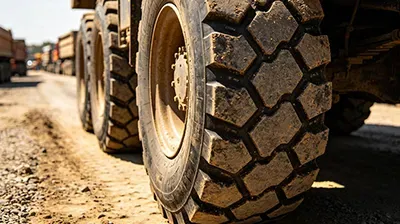
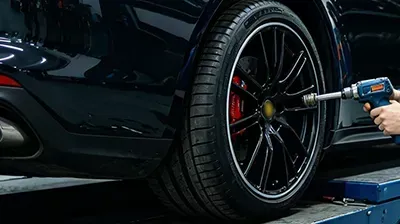
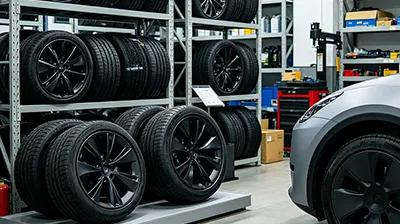
轮胎维护直接影响驾驶稳定性与燃油效率。每月检查一次胎压,参考车门内侧或油箱盖上的标准胎压值。胎压过高会导致磨损不均,而胎压不足则会增加油耗和爆胎风险。定期检查轮胎花纹,若花纹深度低于1.6毫米或出现裂纹、鼓包,应立即更换轮胎。此外,每行驶约1万公里进行轮胎换位,以确保磨损均匀并延长使用寿命。
三、 避免保养误区,科学养护爱车
许多车主在保养爱车时会犯一些实际上可能损害车辆的错误。
Tire maintenance directly impacts driving stability and fuel efficiency. Check tire pressure monthly, referring to the standard tire pressure on the inside of your car door or on the fuel tank cap. Excessive tire pressure can lead to uneven wear, while low pressure increases fuel consumption and the risk of blowouts. Regularly inspect the tire tread. If the tread depth is less than 1.6 mm or cracks or bulges appear, replace the tires immediately. Additionally, rotate the tires every 10,000 kilometers or so to ensure even wear and extend their lifespan.
Ⅲ. Avoid Maintenance Misconceptions and Maintain Your Car Scientifically
Many car owners make maintenance mistakes that can actually harm their 车辆例如,有些人认为“机油越多越好”。实际上,过多的机油会增加发动机的负担,导致烧机油和动力下降。还有些人忽视了雨季的保养。
雨季期间,检查雨刮器和天窗排水孔至关重要。老化的雨刮片会影响视线,而堵塞的天窗排水孔则可能导致漏水。此外,保养并非仅限于4S店的责任。车主可以掌握一些基本的检查技巧:每周检查机油、冷却液和挡风玻璃清洗液液位,每月检查胎压和轮胎状况。及时处理小问题,以防演变成大故障。
同时,选择信誉良好的维修厂和高质量的保养配件。切勿贪图便宜使用劣质机油或滤清器,否则可能对发动机等核心部件造成不可逆的损害。
Also, choose a reputable maintenance facility and high-quality maintenance parts. Avoid using low-quality oil or filters for cheap prices, as this can cause irreversible damage to core components like the engine.

四、日常驾驶习惯有助于延长车辆寿命
除了定期保养,良好的驾驶习惯也能延长车辆寿命。启动时应避免急加速,让发动机平稳升温。行驶中避免急加速和急刹车,以减少轮胎和刹车系统的磨损。
长时间停放时,请关闭所有电器设备以防电池耗尽。此外,定期清洁您的车辆,特别是底盘,以防锈蚀影响车辆的结构安全。
汽车保养是一个长期的过程,既需要科学的方法,也需要养成良好的习惯。只有细心呵护,才能让爱车始终保持良好性能,保障日常出行安全,并在车辆保值率上获得更好的回报。
When parked for extended periods, turn off all electrical devices to prevent battery drain. Furthermore, regularly clean your vehicle, especially the chassis, to prevent rust and corrosion that can affect the vehicle's structural safety.
Car maintenance is a long-term process that requires both scientific methods and the development of good habits. Only by careful maintenance can you keep your car in good performance at all times, safeguard your daily travel, and get better returns on the vehicle's value retention rate.