赛伦轮胎投资埃及进行全球扩张
On June 18, Sailun Group announced an investment of $1.141 billion (approximately RMB 7.8 billion) to expand its tire production base in Egypt. This is the company's largest overseas investment this year, reflecting a key trend: globalization is no longer an "option" but a "necessity" for Chinese tire companies. Moreover, its globalization strategy has also undergone changes.
Expansion Plan: Division of Production Lines, Rolling Production
According to the announcement, the funds will be fully used to expand its existing base in Egypt. Upon completion of the expansion, the following will be added:
27 million semi-steel radial tires
1.65 million all-steel radial tires
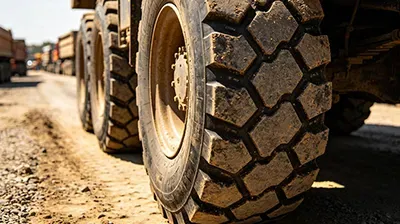
20,000 tons of engineering tires
The products will cover passenger car, commercial vehicle, and construction machinery tires. In terms of execution, two wholly-owned Egyptian subsidiaries will collaborate: one will specialize in a production line with an annual capacity of 9 million semi-steel radial tires, while a newly established company will handle the remaining capacity.
The construction periods for the two companies are 15 months and 24 months, respectively, with production phased in to alleviate the pressure of concentrated capital expenditures. Regarding funding sources, funds will be allocated in phases through overseas subsidiaries, complying with cross-border regulatory requirements and ensuring financial transparency.
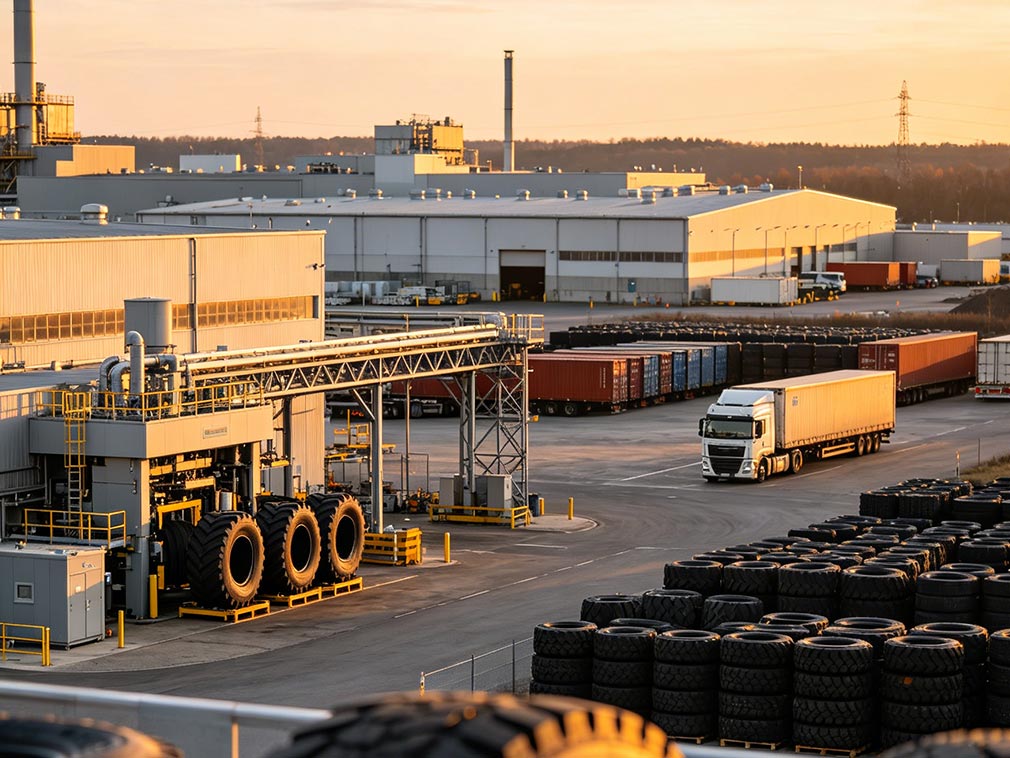
Why Choose Egypt? Dual Advantages of Growth and Hub Location
Sailun's large-scale investment in Egypt is based on two key factors.
First is the strong growth in market demand. The tire markets in Europe and the United States are highly mature, with slowing demand growth and intense competition. Africa, on the other hand, is in a period of infrastructure development and vehicle expansion. Continuous investments in roads and mining areas have driven stable growth in tire replacement and original equipment demand, representing a relatively untapped market.
For Sailun, it is more advantageous to position itself in a growth market than to compete in a saturated one. Secondly, Egypt's geographical location holds strategic value. Situated at the intersection of Asia, Africa, and Europe, and controlling the Suez Canal, locally produced tires can be quickly transported to the African hinterland, the Middle East, and Southern Europe, significantly reducing shipping time and logistics costs. This optimized supply chain cost structure translates into considerable profit margins.
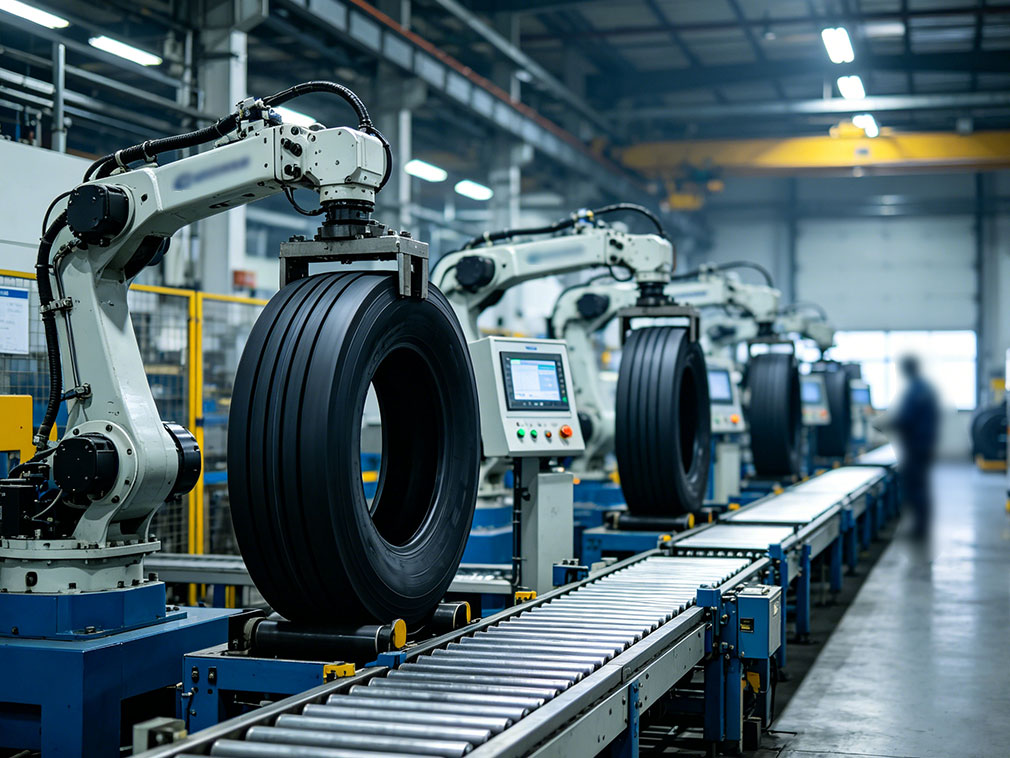
Underlying Logic: Leveraging Multi-Point Production to Avoid Trade Barriers
The normalization of global trade frictions is the deeper fundamental reason behind Sailun's move.
Many countries have imposed various restrictions on Chinese-made tires, increasing the risks of relying solely on domestic production and re-export.
Sailun's response is to establish a "distributed" overseas production network. Previously, its factories in Vietnam and Cambodia were already operational; the addition of the Egyptian plant enables it to create synergies with existing capacities. This means that orders from different regions can be "locally produced and delivered," thereby avoiding tariff and non-tariff barriers, shortening delivery cycles, and enhancing service capabilities. Even if market fluctuations occur in one region, other plants can still provide support, enhancing overall resilience.
From Product Sales to Establishing Localized Layouts: Long-Term Benefits of Localization
After production is completed, the next step is brand building. Sailun stated that localized production in Egypt allows products to better adapt to local road conditions and driving habits, enabling more timely parameter adjustments and creating a "customized" advantage. Meanwhile, through its localized production and sales system, Sailun's brand awareness and recognition in North Africa and the Middle East will gradually increase—an intangible asset that is difficult to accumulate through a simple export model.
Once the project reaches full production capacity, it will fill the production gap in North Africa, and Sailun's global layout will cover four continents: Asia, Africa, Europe, and the Americas. The resilience of the entire supply chain and international competitiveness will be significantly enhanced.
Objective Risks Cannot Be Ignored
The announcement also truthfully listed the risks. The project requires multiple approvals and filings from the National Development and Reform Commission, the Ministry of Commerce, the State Administration of Foreign Exchange, as well as regulatory agencies in both China and Egypt, leading to uncertainties in project progress.
Additionally, fluctuations in commodity prices, intensified industry competition, and changes in overseas economic conditions may cause the project's final profitability to deviate from initial expectations. Sailun's solution is to dynamically track and flexibly adjust construction and production plans to absorb various uncertainties as much as possible.
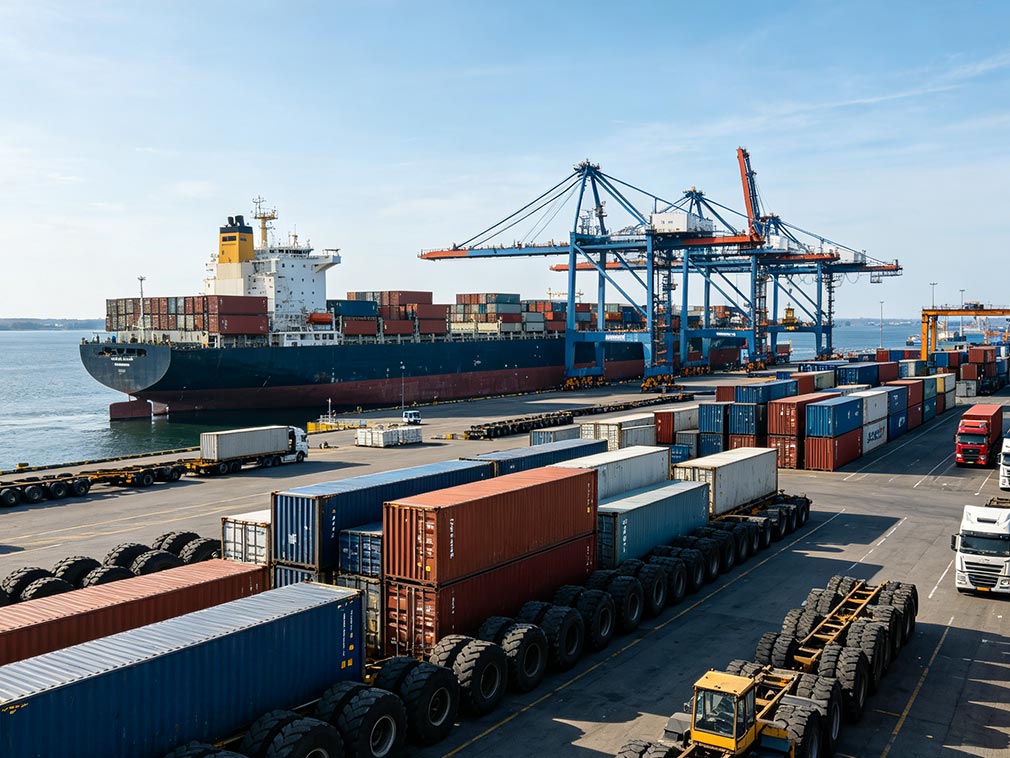
Sailun Tire's RMB 7.8 billion investment in Egypt marks a shift in the overseas expansion model of China's leading tire companies: from early "product exports" to today's "capacity exports," and now to localized brand operations.
As trade barriers become increasingly common, diversified production capacity is becoming a replicable path to success. Sailun's move not only consolidates its global position but also provides a valuable case study for the industry.