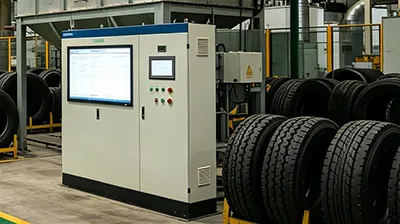
轮胎“魔力三角”解密
1. 理解“三难困境”轮胎性能
驾驶时,你可能未曾注意到轮胎胎面的“小秘密”——其材料配方直接决定了三个关键因素:燃油效率、轮胎寿命和雨天行驶安全。这三个因素在轮胎行业中常被称为“魔力三角”:滚动阻力、胎面磨损和湿地抓地力。
有趣的是,这三个因素就像一个跷跷板:如果你想要更省油(滚动阻力更低)的轮胎,可能就得接受耐磨性下降;如果你想要更耐用(更耐磨)的轮胎,可能就得牺牲在雨天刹车时的抓地力。今天,我们将用简单的方式解释胎面材料如何影响这三项性能,以及在日常使用中如何选择和保养轮胎。
Interestingly, these three factors are like a seesaw: if you want a tire that's more fuel-efficient (lower rolling resistance), you might have to accept less wear resistance; if you want a tire that's more durable (less wear), you might compromise grip during braking in the rain. Today, we'll explain in simple terms how tread materials affect these three performance factors, and how to choose and maintain them for everyday use.

2. 燃油效率的关键:滚动阻力背后的“材料奥秘”
为什么有些汽车用同样的油量能多行驶几十公里?轮胎的“滚动阻力”在悄然发挥作用——它就像轮胎滚动时遇到的“隐形阻力”。阻力越低,发动机所需的动力就越小,自然也就更省油。
胎面材料如何影响这种阻力?主要考虑两个关键因素:
橡胶的“弹性”:胎面中的橡胶分子就像弹簧。如果这些“弹簧”太硬(分子交联密度过高),在滚动过程中发生形变后恢复较慢,会浪费更多能量,增加阻力;反之,如果“弹簧”富有弹性(交联密度适中),则能快速恢复,从而降低阻力。
填料选择:过去轮胎中常用的填料是炭黑。虽然这使轮胎更耐磨,但也导致橡胶分子结合过紧,在滚动过程中产生更多摩擦热,增加阻力。如今许多绿色轮胎采用“二氧化硅”并配合特殊的硅烷偶联剂,这不仅增强了轮胎强度,还降低了分子间的摩擦。据说可减少5%至10%的燃油消耗,相当于每箱油多行驶50公里,从长远来看是一种非常经济有效的解决方案。
3. 轮胎耐用性:除了材质,你的使用习惯更为关键
每个人都希望轮胎更耐用,但胎面磨损的速度并不仅仅由材料本身决定,驾驶习惯和日常保养的影响更大。
首先来看材料:橡胶越硬,越不容易磨损,因此耐磨性越好。但凡事都有极限,过硬的橡胶就像鞋底太硬一样,遇到坑洼路面时,胎面某些部位会承受过大的应力,导致不均匀磨损,有的地方磨损快,有的地方磨损慢,最终缩短轮胎的使用寿命。
此外,还会在胎面中添加抗老化剂,就像给橡胶涂上防晒霜。这些添加剂能减缓阳光和雨水导致的硬化和开裂,从而间接延长其使用寿命。
让我们来看看日常使用中的情况:许多人忽视了“轮胎充气”这一看似微不足道的问题。如果轮胎充气不足,胎面两侧会变得“扁平”,增加与路面的接触面积,长期下来这些部位磨损会更快(俗称“肩部磨损”)。如果轮胎充气过度,胎面中心会鼓起,只有中心部分接触地面,自然会导致中心区域磨损加快。
数据显示,保持标准胎压的轮胎比充气不当的轮胎多行驶20%的里程。每次保养时花两分钟检查胎压,可为您在更换轮胎上节省大量费用。
4. 雨天安全:胎面材料与胎面花纹,两者都至关重要
下雨天开车最大的担忧是什么?刹车时“打滑”。这与轮胎的“湿地抓地力”有关——简单来说,就是轮胎在湿滑路面上的附着能力,它由胎面材料和胎面花纹共同决定。
Furthermore, anti-aging agents are added to the tread, acting like sunscreen for the rubber. These agents slow down the hardening and cracking caused by sun and rain, indirectly extending its lifespan.
Let's look at everyday use: Many people overlook the trivial matter of "tire inflation." If the tire is underinflated, the sides of the tread will be "flattened," increasing the contact area with the road. Over time, these sides will wear faster (commonly known as "shoulder wear"). If the tire is overinflated, the center of the tread will bulge, leaving only the center in contact with the road, which naturally wears faster.
Data suggests that tires maintained at standard pressure can achieve 20% more mileage than improperly inflated tires. Taking a two-minute tire pressure check during each service appointment can save you a significant amount of money on tire replacements.
4. Rainy Day Safety: Tread Material + Tread Pattern, Both Essential
What's the biggest fear when driving in the rain? "Slipping" when braking. This relates to the tire's "wet grip"—simply put, the tire's ability to grip the road on slippery surfaces, which is determined by both the tread material and the tread pattern.

首先,让我们来看看材料:胎面橡胶有一种“玻璃化转变温度(Tg)”,可以将其视为橡胶的“耐寒阈值”。当温度高于此值时,橡胶柔软并能紧密贴合路面,提供出色的抓地力;当温度低于此值时,橡胶会变硬变脆,如同被冻住的橡胶,抓地力显著下降。
因此,高性能轮胎在雨天通常采用苯乙烯-丁二烯橡胶与顺式聚丁基橡胶的混合物,具有非常低的玻璃化转变温度(Tg)。这使得橡胶即使在低温和雨天也能保持柔韧性,据称可将制动距离缩短15%至20%,而这可能就是雨天发生碰撞事故与否的关键区别。
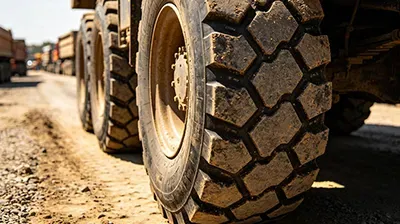
让我们来看看胎面花纹:胎面的沟槽并非随意设计。纵向沟槽负责排水,能将轮胎与路面之间积聚的水排出;横向沟槽则起到防滑作用,增加轮胎与路面之间的摩擦力。
这两种因素的合理结合能减少胎面与路面之间的“水膜”,防止轮胎“浮在水面”打滑。因此在选择轮胎时,不要只看品牌,还要考虑花纹沟槽的深度和分布——沟槽越深且排列越合理,雨天的抓地力就越好。
5. 如何通过技术创新平衡“魔力三角”?
由于滚动阻力、耐磨性和湿地抓地力是“三种难以兼顾的性能”,轮胎制造商如何应对?答案是“材料技术的升级”。
例如,常用的“纳米复合改性”技术会在橡胶中添加少量“纳米碳酸钙颗粒”。这些微小颗粒如同“微型骨架”般支撑着橡胶,使其既坚硬(提高耐磨性)又不会太脆(保持湿地抓地力),同时还能减少分子间的摩擦(降低滚动阻力),一举实现三个目标。
此外还有“分段硫化”工艺,可在胎面形成“外硬内软”的结构——坚硬的外层提高耐磨性,柔软的内层降低滚动阻力,同时保持整体柔韧性并确保湿地抓地力。这些技术均旨在“魔力三角”中实现最佳平衡。
5. How to Balance the "Magic Triangle"? Through Technological Innovation
Since rolling resistance, wear, and wet grip are the "three difficult things to balance," how do tire manufacturers address this? The answer is "material technology upgrades."
For example, the commonly used "nano-composite modification" technology adds a small amount of "nano-calcium carbonate particles" to the rubber. These tiny particles act like a "small skeleton" to support the rubber, making it both hard (improving wear resistance) and not too brittle (maintaining wet grip), while also reducing intermolecular friction (lowering rolling resistance), achieving three goals at once.
There's also the "staged vulcanization" process, which creates a "hard outer layer and soft inner layer" in the tread—a hard outer layer for wear resistance, a soft inner layer for reduced rolling resistance, while maintaining overall flexibility and ensuring wet grip. These technologies are all aimed at finding the optimal balance within the "Magic Triangle."