轮胎磨损指数指南
轮胎磨耗等级(TGR),由美国交通部(DOT)设立,是“UTQG”轮胎认证体系中与牵引力和耐高温性能并列的三大主要指标之一。该指数通过在实验室控制条件下,以磨耗等级为100的“标准轮胎”为基准进行测试来确定。

数值含义与范围
计算公式为:(测试轮胎磨耗寿命 ÷ 标准轮胎磨耗寿命)× 100。例如,TGR为300的轮胎,其理论磨耗寿命是标准轮胎的三倍。
市面上销售的轮胎滚动阻力系数通常在100至800之间。家用轿车轮胎多处于200到500的区间,而SUV及商用轮胎可能超过500,高性能运动轮胎则可能低于200。
这并非绝对的寿命指标。
需要注意的是,TGR是一个“实验室理论值”。实际使用寿命会受到路况、驾驶习惯及胎压等因素的影响。例如,频繁在砂石路面行驶或经常急刹车,都会显著缩短轮胎的实际使用寿命。
影响耐磨性的关键因素
胎面胶料
这是决定耐磨性的关键因素。高耐磨轮胎通常采用“硬质橡胶”,通过增加炭黑、硅等补强剂的比例来提升耐磨性能,但这往往以牺牲静音性和抓地力为代价。而低磨耗高性能轮胎则多采用“软质橡胶”,以增强湿地抓地力和操控性,更适合追求卓越驾驶体验的用户。
胎面花纹设计
轮胎胎面花纹块较大、沟槽较窄的设计,提供了更完整的接地面积和更强的耐磨性,这类轮胎常见于经济型轮胎中。
胎面花纹块更细小、沟槽更宽更深的轮胎排水性和静音性更佳,但其花纹块易磨损,导致耐磨指数较低。这类轮胎常见于舒适型或运动型轮胎中。
This is the key factor in determining wear resistance. High-wear-resistant tires typically use "hard rubber," increasing the proportion of reinforcing agents such as carbon black and silicon to improve wear resistance, but this comes at the expense of quietness and grip. Low-wear, high-performance tires, on the other hand, often use "soft rubber" to enhance wet grip and handling, making them suitable for those who value a superior driving experience.
Tread Pattern Design
Tires with larger tread blocks and narrower grooves offer a more complete contact patch and greater wear resistance, and are commonly found in economy tires.
Tires with finer tread blocks and wider, deeper grooves offer better water drainage and quietness, but their tread blocks are prone to wear, resulting in a lower wear resistance index. They are often found in comfort or sports tires.
轮胎结构与处理
皮带材料的强度(如钢丝或芳纶纤维)、胎体帘线的密度以及硫化过程的温度和时间,都会影响轮胎的整体结构稳定性,从而间接影响胎面的耐磨性。

不同场景下的耐磨指数选择策略
对于家庭通勤(年行驶里程1万至2万公里):
建议优选耐磨指数在300至400之间的轮胎,以兼顾耐用性与舒适度。这类轮胎能满足日常城市驾驶的需求,通常可使用4至6年,无需频繁更换。
针对频繁长途/商务使用(年行驶里程超过3万公里):
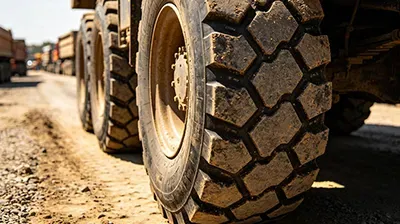
我们建议选择磨损阻力指数在500及以上的轮胎,例如部分国产商用或越野轮胎。这些轮胎的坚硬胎面能够承受长期高速行驶及复杂路况的磨损,从而降低运营成本。
为满足运动/表现需求:
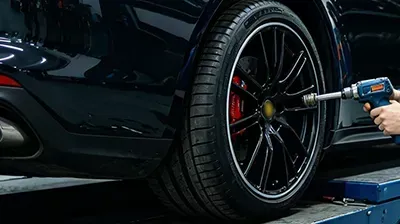
对于跑车或追求激烈驾驶的车主,应选择耐磨指数在200-300之间的高性能轮胎。这类轮胎虽然使用寿命较短(通常为2-3年),但能提供更强的抓地力和操控响应,从而提升驾驶安全性。
常见误区与注意事项
误解一:仅关注磨损指数而忽视其他性能特点
一些用户盲目追求高耐磨指数,却忽视了轮胎的抓地力和静音性。例如,在中国北方冬季使用高耐磨的硬质轮胎,会因橡胶在低温下硬化而降低抓地力,增加打滑的风险。
误解二:认为指数越高等于价值越大
高磨损轮胎通常价格较高,如果车辆年行驶里程较低(例如少于1万公里),由于橡胶老化,它们可能在其使用寿命结束前(通常轮胎的保质期为5-6年)就需要更换,这会造成浪费。
Misconception 1: Focusing solely on the wear index and ignoring other performance characteristics
Some users blindly pursue a high wear index, overlooking the tire's grip and quietness. For example, using high-wear hard tires in northern China in winter can reduce grip due to the rubber hardening at low temperatures, increasing the risk of skidding.
Misconception 2: Believing a higher index equals better value
High-wear tires are typically more expensive, and if the vehicle's annual mileage is low (e.g., less than 10,000 kilometers), they may need to be replaced before the end of their service life (typically, the tire's shelf life is 5-6 years), due to rubber aging. This is wasteful.

注意事项:定期检查与维护
不论磨损指数如何,定期检查轮胎气压(每月一次)、清除胎面异物以及避免超载,都能有效延长轮胎的实际使用寿命,防止因保养不当导致的“磨损指数失效”。
Regardless of the wear index, regularly checking tire pressure (once a month), removing foreign matter from the tread, and avoiding overloading can effectively extend the tire's actual lifespan and prevent "wear index failure" caused by improper maintenance.